
Can you really beat the odds in casinos?
Understanding the Casino Odds
Casinos operate on a business model designed to ensure they maintain a profit, commonly referred to as the house edge. This concept signifies the statistical advantage that casinos hold over their players, and it varies depending on the type of game being played. For example, in games like slot machines, the house edge can be significantly higher, often exceeding 10%, compared to table games like blackjack or poker, where players can employ strategies to mitigate losses. Players who are particularly savvy might also seek options for fast casino withdrawal to enhance their overall gaming experience. Understanding these odds is essential for anyone who wishes to engage in casino gambling, as it provides a clearer picture of what to expect in terms of winning and losing.
The house edge does not guarantee that players will lose every single time; however, it does indicate that over a prolonged period, the odds are generally not in favor of the player. This knowledge empowers players to make informed decisions about which games to choose and how to place their bets. For instance, a player who opts for a game like blackjack, where they can apply strategic thinking and decision-making, is likely to fare better than someone who plays a purely chance-based game like roulette, where skill has minimal impact on the outcome.
Moreover, the odds can change even within the same game, depending on specific rules or variations. For instance, different casinos may offer various rules in blackjack, such as whether the dealer hits or stands on a soft 17. These subtle differences can significantly affect the house edge and, consequently, the players’ chances of winning. Therefore, it is crucial for players to familiarize themselves with the specific rules of the game they intend to play, as selecting games with a lower house edge can enhance the likelihood of walking away with winnings, even if just for a short time.
Strategies to Increase Your Chances
While the idea of beating the odds may seem daunting, players can adopt various strategies that improve their chances of coming out ahead. One effective approach in games like blackjack involves mastering basic strategy charts, which detail the optimal moves based on a player’s hand and the dealer’s visible card. By internalizing this strategy, players can reduce the house edge to as low as 0.5%, making blackjack one of the best games to play in a casino from a statistical point of view. Similarly, in poker, where players compete against one another rather than against the house, skillful play can significantly enhance a player’s potential for success.
In addition to mastering game strategies, effective bankroll management is crucial for any gambler. Players should establish strict budgets before stepping into a casino, determining in advance how much they can afford to lose without facing negative repercussions. Proper bankroll management not only allows players to gamble responsibly but also enables them to enjoy longer periods of play. This extended playtime can sometimes lead to unexpected wins, as players who manage their resources wisely can avoid early losses that might lead them to exit the casino prematurely.

Furthermore, taking advantage of promotions and bonuses offered by casinos can provide additional value and extend a player’s experience without increasing financial risk. These incentives, when understood thoroughly, can offset the house edge and create opportunities for players to maximize their enjoyment. Being well-informed about the terms and conditions associated with these promotions ensures that players can effectively utilize them to their benefit and enhance their overall gaming experience.
The Role of Luck in Gambling
Luck undeniably plays a significant role in the realm of gambling; however, it is vital to differentiate between short-term luck and long-term probabilities. Many casino games, such as slot machines and roulette, rely heavily on chance, leading to outcomes that are entirely random. While players may experience streaks of good fortune during a single session, the unpredictable nature of these games indicates that outcomes cannot be influenced or predicted with any degree of accuracy over time.
From a long-term perspective, luck is statistically accounted for by the house edge, which means that players will eventually encounter losing sessions that reflect this reality. The psychological aspects of gaming can lead players to develop a false sense of control, believing they can “beat the odds” based on recent wins. This mindset can be dangerous, as it may encourage reckless betting behavior. Understanding the fluctuating nature of luck is crucial for maintaining a realistic perspective on gambling and preventing potential pitfalls associated with overconfidence.
Interestingly, many players engage in superstitious behaviors, believing that specific rituals or lucky charms can influence their chances of winning. For instance, some individuals may choose certain numbers or avoid particular machines based on past experiences. While these practices can add an element of fun to the gaming experience, they do not alter the fundamental odds of the games being played. Acknowledging the limits of luck encourages players to focus on skill and strategy, rather than relying solely on chance in their gambling endeavors.
The Psychological Factors at Play
The environment within casinos is meticulously designed to captivate and engage players, often leading to altered states of perception and decision-making. The bright lights, sounds of slot machines, and the thrill of potential winnings can create an emotional high that encourages impulsive gambling behavior. Recognizing these psychological influences is essential for responsible gambling, as they can cloud judgment and lead to decisions that may not be in the player’s best interest.
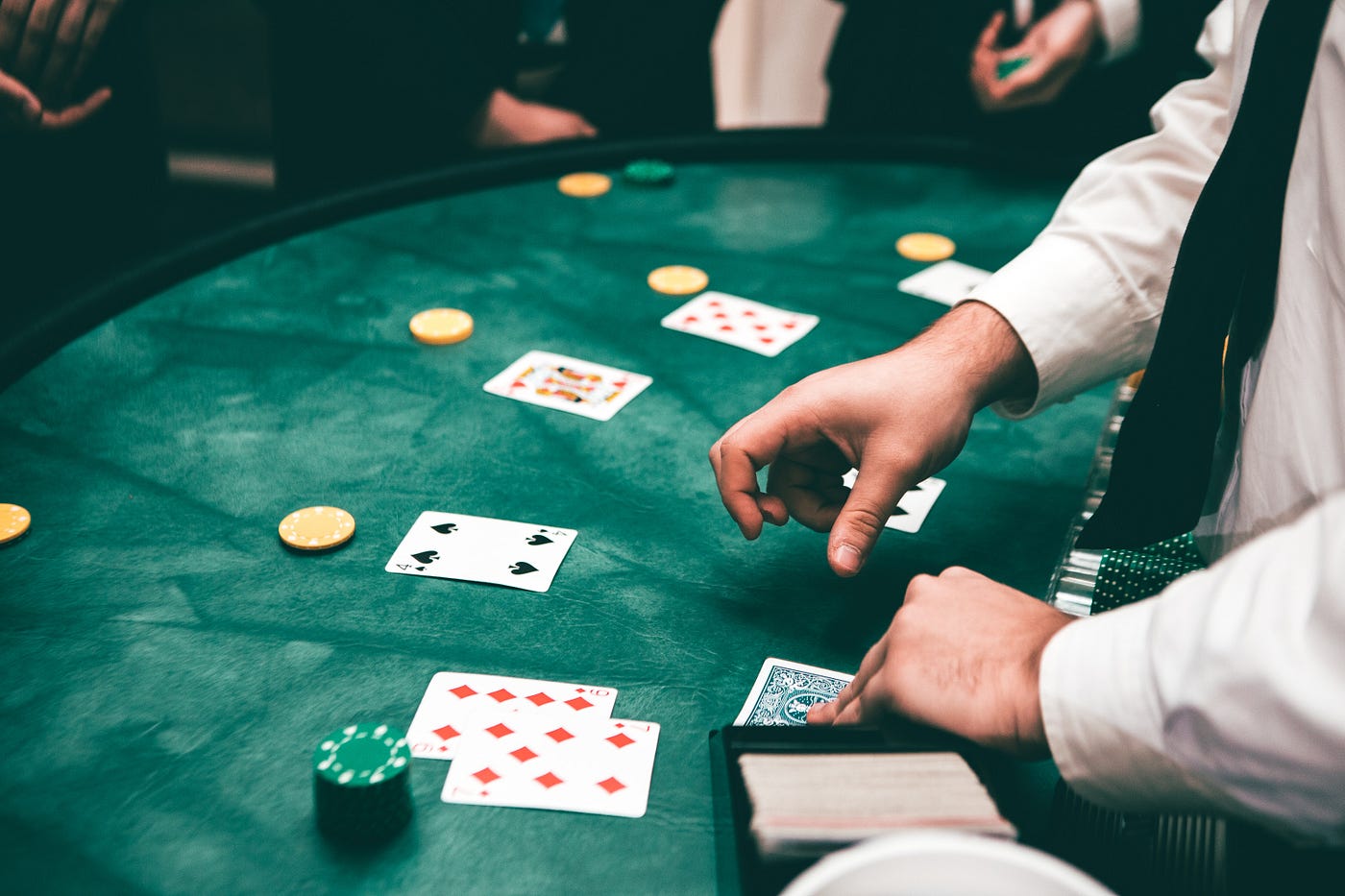
Additionally, social factors also play a significant role in gambling behavior. Players are often influenced by the actions and reactions of others at the gaming tables or around the machines. For instance, a player who hits a large jackpot can create an atmosphere that prompts others to increase their bets, even when it may not be a sound strategy. Understanding how social dynamics impact decision-making is vital for anyone looking to gamble wisely and avoid being swept up in the excitement of the moment.
To counteract these psychological influences, players can establish personal limits regarding time and money spent before engaging in any gambling activities. Setting these limits can help mitigate impulsive behavior, ensuring that gambling remains an enjoyable form of entertainment rather than a source of stress. Awareness and preparation are key components in maintaining a balanced approach to gaming, allowing players to enjoy their casino experiences responsibly and without undue financial strain.
Your Resource for Responsible Gaming
When navigating the complex landscape of casinos, access to accurate and reliable information is paramount. This website serves as a valuable resource for players, equipping them with the knowledge they need to make informed decisions, whether they are seasoned veterans or newcomers to the gaming scene. From understanding casino odds and effective strategies to recognizing the psychological factors at play, this platform emphasizes the importance of responsible gambling practices.
In addition to providing educational content, the website offers insights into the latest trends in the casino industry, which can significantly influence player experiences. Whether it involves new game innovations, regulatory changes, or shifts in player preferences, staying informed can enhance gaming experiences while minimizing risks. Each article is crafted to empower readers with the insights necessary to approach their casino ventures with confidence and prudence.
Ultimately, the goal is to foster an environment where players can enjoy their time in casinos safely and responsibly. By utilizing the resources and strategies outlined on this site, players are better equipped to understand the odds, make sound decisions, and prioritize their enjoyment above all else. Promoting responsible gaming practices ensures that gambling remains a fun and entertaining activity, rather than a potential source of problems or stress in one’s life.